Transform Your Area: Best Painting Choices to Enhance Your Home's Style
Revamping a residence through painting can greatly modify its look. The decision of colors plays a vital role in creating mood and perception. Professional painting providers present a variety of styles tailored to personal choices. Understanding these options and their outcomes is vital. As homeowners consider a transformation, issues about budgeting and planning naturally arise. What considerations will lead to a successful project? The answers may surprise you.
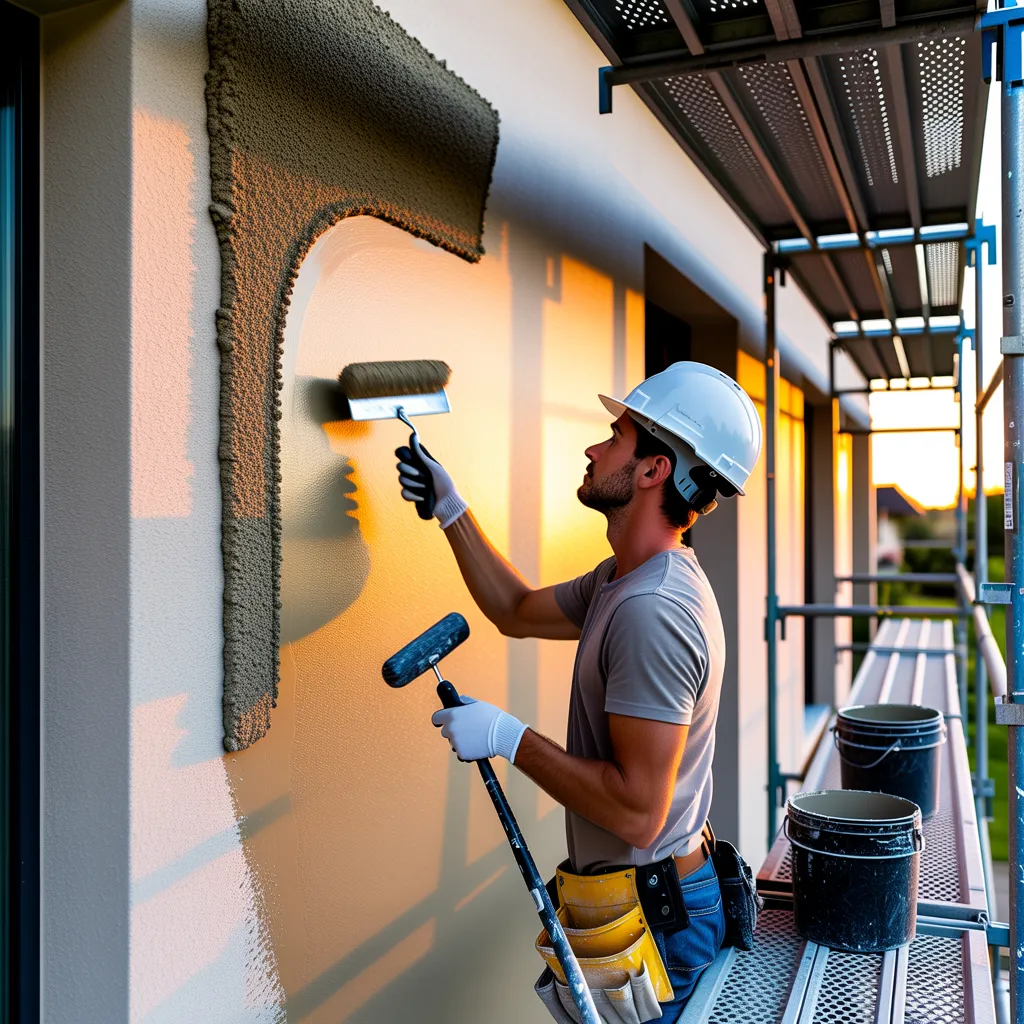
Grasping the Influence of Color on Feelings and Space
What ways can tone influence one's perception of space and connected information moods? Colors hold an essential role in molding human experiences and sentiments. For instance, warm shades like red and orange can generate energy and warmth, making a room feel appealing. In contrast, refreshing shades such as blue and green often promote calmness and relaxation, expanding the perception of room.
The choice of hue can also influence the emotional state of inhabitants. Bright colors may stimulate creative thinking and happiness, while darker tones can establish a sense of warmth or melancholy. Additionally, lighter shades tend to bounce back more illumination, making rooms look bigger and more open, while darker tones can create an intimate atmosphere. Therefore, understanding the psychological effects of pigment helps individuals make informed decisions when designing their living environments, ultimately enhancing comfort and well-being.
Picking the Correct Paint Service for Your Particular Requirements
Picking the right paint service can significantly impact the results of a residential transformation. Homeowners should commence by evaluating their specific needs, including the size of the job and wanted finishes. Examining regional paint services is vital; reviews and testimonials can provide knowledge into a business's reliability and quality of work.
Furthermore, prospective customers should request estimates to compare costs and offerings provided. This step aids in understanding what is included, such as preparation, supplies, and warranties. It is also recommended to ask regarding the painters' background and whether they are certified and insured, guaranteeing confidence during the project.
Lastly, strong communication is critical. A good painting service should be attentive to inquiries and needs, building a collaborative environment that reflects the property owner's goals. By thoughtfully evaluating these elements, residents can select a painting company that satisfies their design objectives and financial constraints.
Popular Art Techniques to Enhance Your Home
In the field of home painting, multiple techniques can significantly improve aesthetic appeal. Accent walls, faux finishes, and color blocking offer unique ways to redesign spaces and showcase personal style. Exploring these options can lead to a more vibrant and inviting home environment.
Accent Wall Design Concepts
Accent walls have grown as a favored way to add depth and personality to homes. Homeowners are looking into various ideas to make a bold impact, often using vibrant colors or unique patterns. One common approach is the use of geometric shapes, which can bring a contemporary and dynamic feel. Alternatively, nature-inspired shades can evoke tranquility, making spaces feel calm and inviting. Textured finishes, such as shiplap or brick, can also add visual appeal and warmth. For a polished touch, metallic paints can add an luxurious sheen, enhancing the overall decor. These design choices not only elevate the aesthetic but also show the homeowner's personal style, making accent walls a multi-use option for modern interiors.
Imitation Surface Techniques
A range of faux finish methods can change ordinary walls into striking focal points that mimic more expensive materials. Techniques such as sponging, rag rolling, and venetian plaster produce the effect of texture and depth, enhancing visual interest. For instance, sponging includes applying a base coat followed by a different color using a sponge, resulting in a soft, layered look. Rag rolling, on the other hand, uses a rolled-up rag to design a unique pattern, bringing character to any space. Venetian plaster offers a polished, polished look, often applied in upscale interiors. By employing these techniques, homeowners can achieve a luxurious aesthetic without the hefty price tag, rendering faux finishes a popular choice for enhancing home decor.
Color Blocking Techniques
Color blocking often commands attention in modern interior design, presenting a bold way to define spaces and communicate individuality. This technique involves using two or more contrasting colors in a single area, generating visual interest and a dynamic atmosphere. Homeowners can implement color blocking deliberately, such as painting an accent wall or dividing walls into geometric sections. Opting for complementary colors improves the overall aesthetic, while choosing shades from the same palette can create a more subtle effect. It's essential to evaluate room size and lighting, as these factors affect how colors interact. By implementing color blocking, homeowners can convert mundane walls into striking focal points, enhancing their home's aesthetic and personal style.
Green Paint Application: Environmentally Friendly Choices You Ought to Review
Many homeowners are increasingly pursuing environmentally responsible paint choices that minimize environmental impact while improving the aesthetic appeal of their homes. Green paints, such as aqueous and low-VOC (volatile organic compounds) types, are gaining popularity. These selections reduce toxic fumes and promote improved air quality indoors.
Natural pigments, extracted from minerals and plants, deliver vibrant colors without synthetic additives, catering to those who prioritize organic materials. Additionally, recycled and repurposed paint products are becoming more easily accessible, allowing for creative applications without compromising sustainability.
Beyond paint, employing environmentally aware tools, such as bamboo brushes and rollers made from recycled materials, additionally promotes green practices. Homeowners are encouraged to contemplate the lifecycle of their chosen products, selecting those that offer lasting quality and endurance. By choosing sustainable painting options, individuals not only improve their home's aesthetic but also contribute positively to environmental preservation.
How to Budget for Your Paint Job
Choosing sustainable paint options represents just one aspect of transforming a home. Budgeting for a painting task is just as essential. Homeowners should begin by analyzing the scope of the project, which includes measuring the areas to be painted and determining the number of rooms involved. Next, they should investigate the cost of materials, such as non-toxic paints and necessary supplies.
Labor expenses can range considerably, so soliciting multiple quotes from local contractors is prudent. It is necessary to establish a contingency fund, typically 10-15% of the total budget, to mitigate unforeseen expenses that may surface during the project.
Ultimately, homeowners should emphasize their key needs and manage their spending accordingly, guaranteeing that critical spaces receive proper consideration while keeping overall budget control. By strategically planning and evaluating all aspects, property owners can produce an appealing renovation without going over budget.
Essential Inquiries to Ask Your Paint Contractor?
When selecting a painting professional, homeowners often ask what key questions can guarantee they make an well-informed decision. Inquiring about the contractor's qualifications and know-how is crucial; asking how many similar projects they have completed can show their competency. Homeowners should also clarify the varieties of paint and resources they recommend, as premium products can greatly impact the project's durability. It’s necessary to discuss the project timeline and the expected start and completion dates. Additionally, understanding the contractor's payment terms, including any upfront costs and final payments, can help avoid surprises. Homeowners should not hesitate to seek referrals or portfolios of earlier projects, ensuring they are confident in the contractor's approach and trustworthiness. Finally, discussing warranty options and the extent of after-service can provide confidence, ensuring the project is secured for years to come.
Planning Your Painting Job: Advice for a Smooth Experience
Planning a painting project can seem intimidating; however, with careful organization and preparation, homeowners can guarantee a seamless process. First, selecting the right color is essential; using color samples can help see the end result. Next, it is important to clear the area of furniture and decor to allow convenient movement and shield items from paint drips.
Homeowners should also consider the scheduling of the project. Scheduling during good weather can improve paint adhesion and drying speed, particularly for exterior jobs. Additionally, creating a detailed timeline for the project can keep everything on track.
Ultimately, procuring high-quality supplies is vital. Allocating funds for superior painting materials and implements can significantly influence the appearance and durability of the work. By implementing these suggestions, homeowners can improve their painting endeavor, refreshing their environment efficiently while finding enjoyment in the process.
Frequently Asked Questions
How Long Does a Typical Home Painting Project Take?
A standard home painting job usually takes between three to seven days, depending on elements like the size of the space, the number of rooms, and the complexity of the paint job involved.
What Options of Paint Finishes Are Accessible?
Several paint finishes are obtainable, including matte, eggshell, satin, semi-gloss, and gloss. Each coating exhibits distinct features, changing durability and sheen, allowing homeowners to choose based on their stylistic preferences and useful needs.
May I Stay at Home Throughout the Painting Process?
Yes, a person can stay home during the painting process. However, it may be wise to keep a distance from the work area to prevent fumes and ensure a smooth workflow for the painters.
What Approaches Should I Follow to Get My Home for Professional Painting?
Preparing a home for paint work includes removing furniture, covering floors, washing surfaces, fixing any damage, and taping edges. Adequate ventilation and organizing supplies also facilitate a smoother painting process.
What occurs if I am unsatisfied with the results?
If dissatisfaction occurs, the homeowner should communicate concerns with the painting service. Many trusted companies offer touch-ups or adjustments to meet expectations, ensuring a satisfactory outcome and upholding their commitment to excellent customer service.